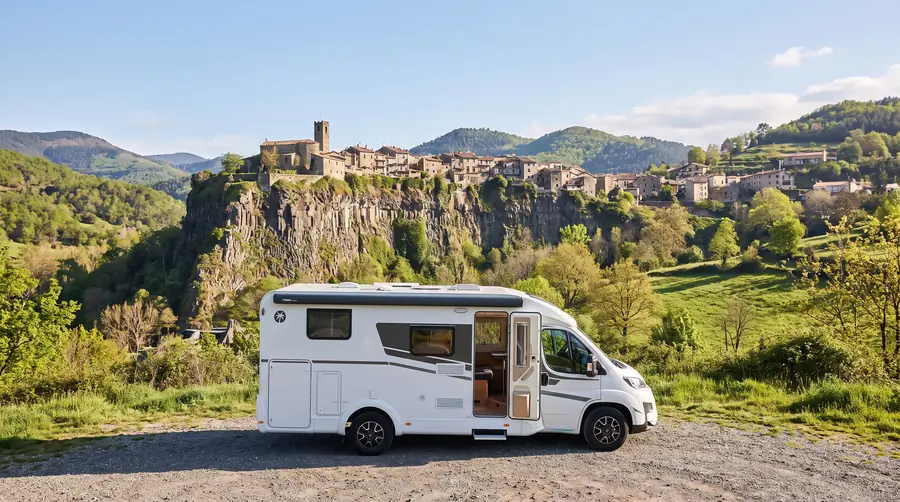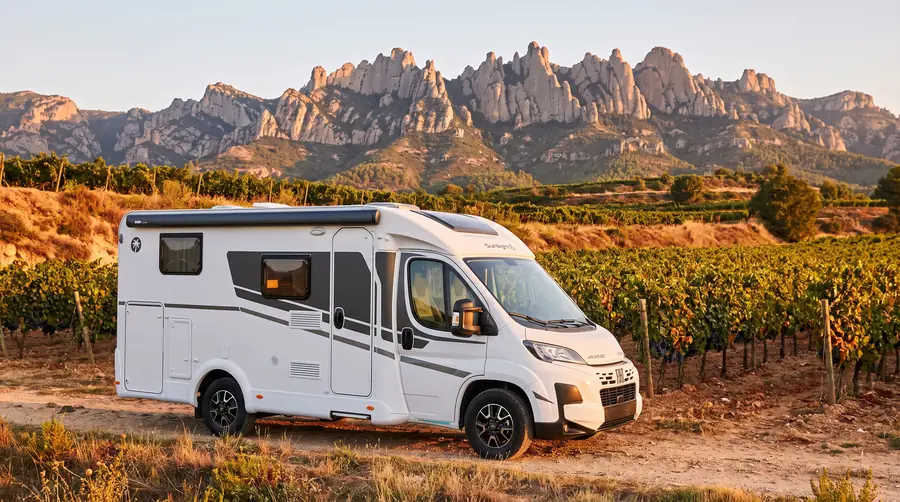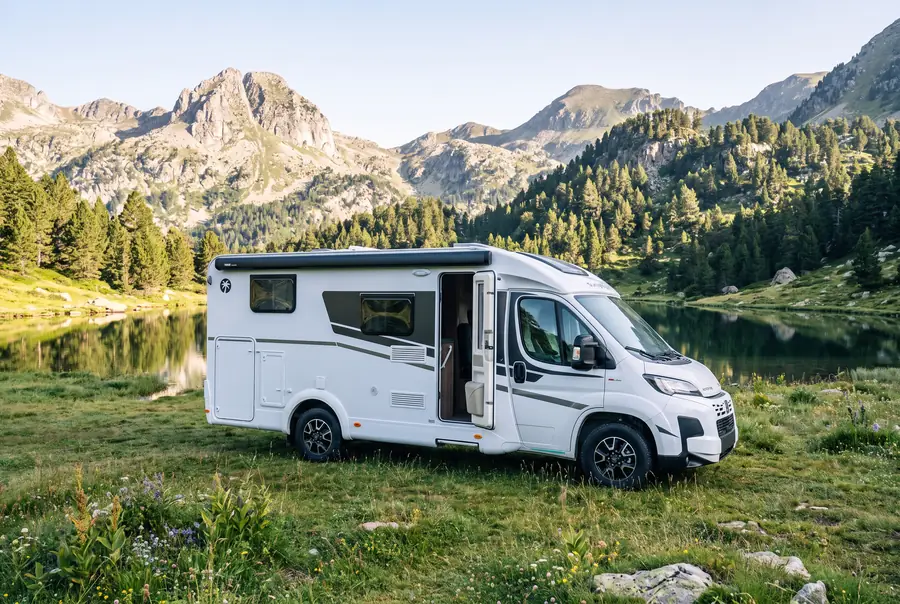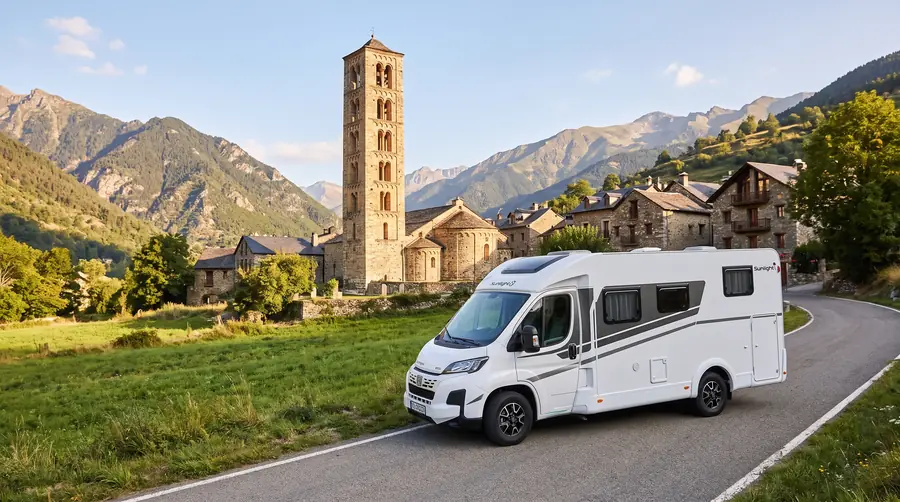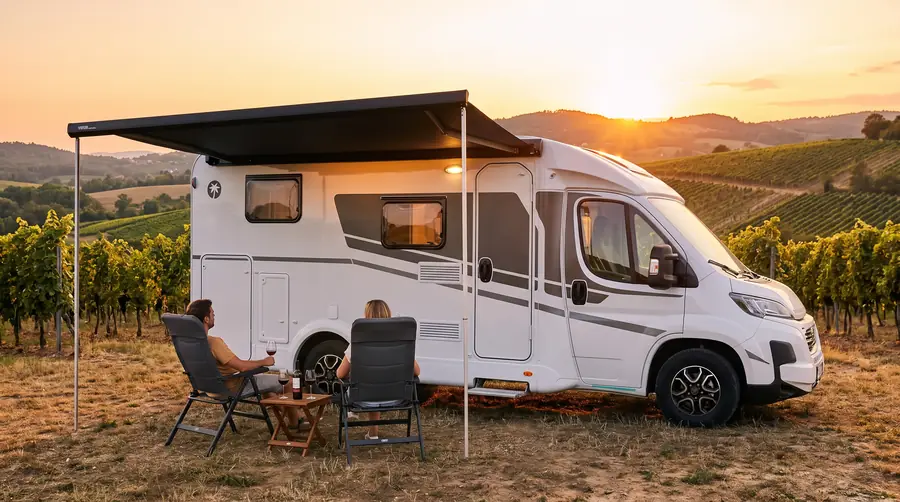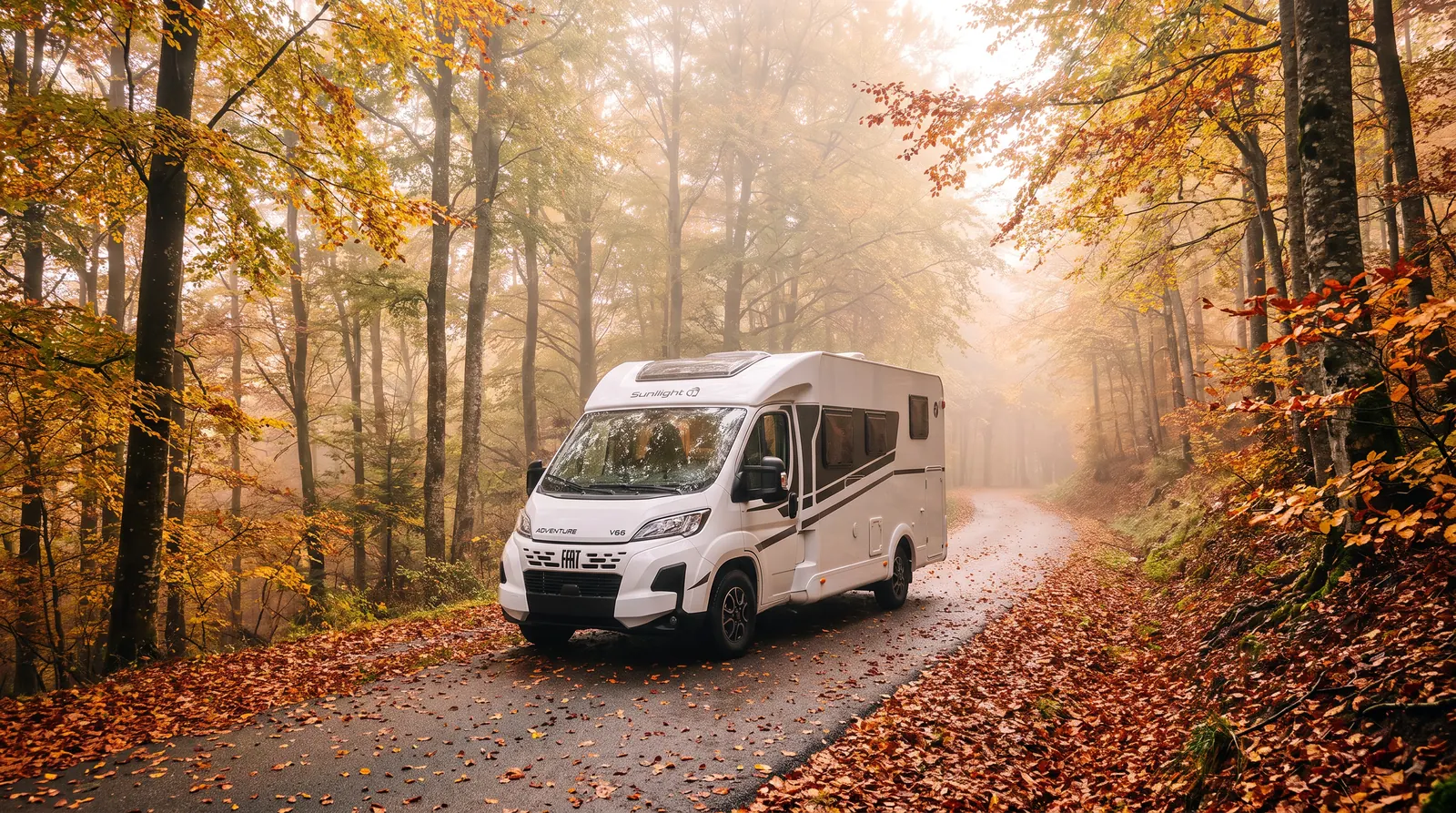
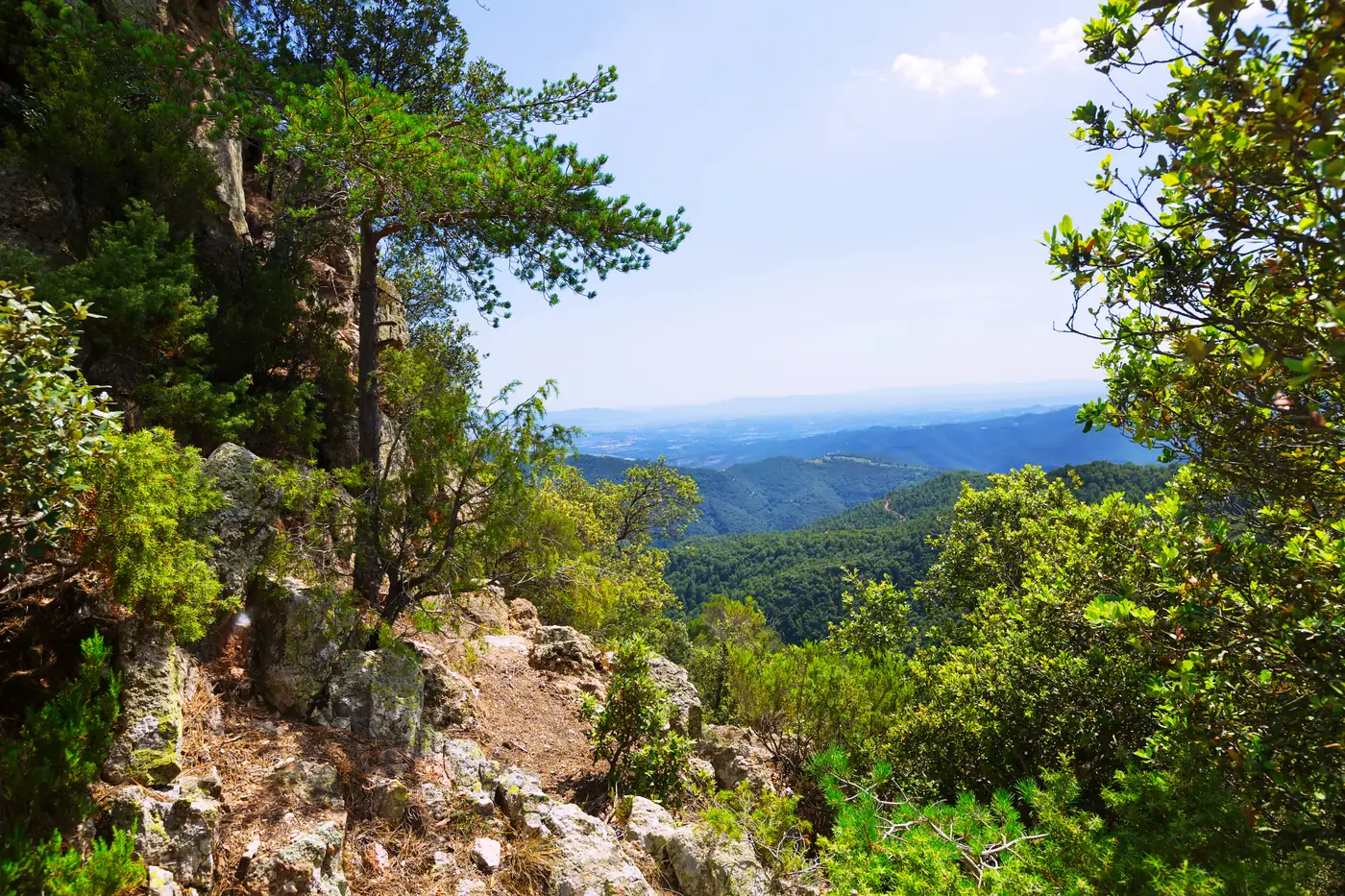
The Montseny is our home mountain: from our base in Les Franqueses del Vallès you reach its first bends in about 40 minutes. It is a natural park and UNESCO Biosphere Reserve, with beech, holm oak and chestnut woods that change colour with every season. Its highest peak, the Turó de l'Home, rises just over 1,700 metres.
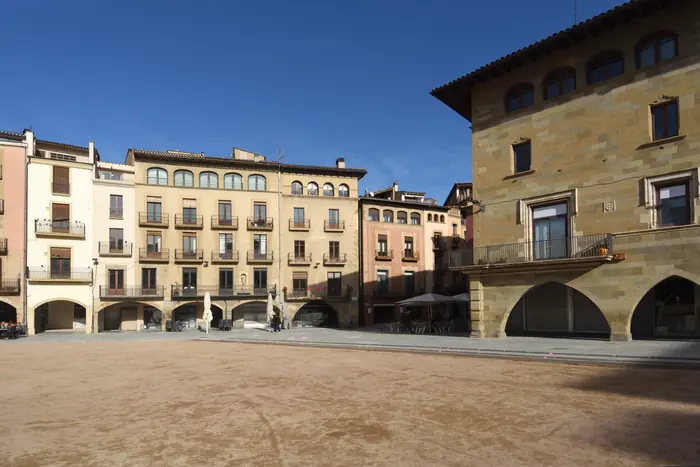
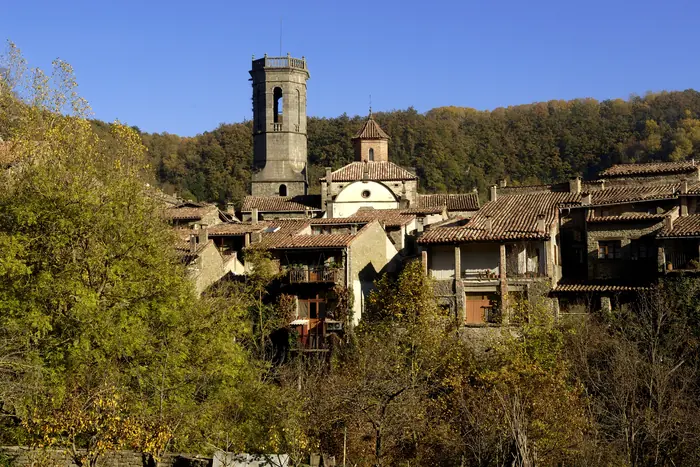
On the far side of the massif lies Osona: the vast main square of Vic, its cured sausages and, further north, the Collsacabra, a plateau that breaks off in cliffs above the Sau reservoir, home to Rupit and Tavertet. Driving times are short, so it fits a bank holiday or long weekend and makes a good first motorhome trip. Pick-ups are in the afternoon, so day one is simply the transfer.
Route plan
Route map
Tap a day or a stop to see it on the map, or press "Follow the route" to travel it stage by stage.
Approximate line between stops, not a navigation itinerary. Check road conditions and restrictions for large vehicles before you set off.
What you will see
Day-by-day itinerary
Day 1 · Pick-up and a night at the foot of the Montseny
Collect the motorhome in the afternoon, between 16:00 and 19:00, in Les Franqueses del Vallès. After the handover, shop for two days and drive about 40 minutes towards Sant Celoni and the Montseny side of the valley. Look for a campsite or authorised area at the foot of the massif for your first night. Save the climb to Santa Fe for the morning: the road is narrow and full of bends, and it is far better tackled in daylight and well rested.
Day 2 · Santa Fe, Coll Formic and Vic
Climb through Campins and Fogars de Montclús to Santa Fe del Montseny. At 6.66 m long and 2.14 m wide, take it slowly, give way on tight sections and expect cyclists. At Santa Fe, walk round the small reservoir and through the beech wood, stunning in autumn. Carry on to Sant Marçal and Coll Formic, the usual starting point for the hike up Matagalls, then drop down through El Brull to Vic. In the afternoon, leave the motorhome in a car park on the outskirts and walk in to the huge arcaded Plaça Major, which fills with the market on Tuesdays and Saturdays, and the cathedral, with murals by Josep Maria Sert.
Day 3 · Rupit and Tavertet
In the morning, if Romanesque art appeals, the Museu Episcopal in Vic holds one of the great collections in Catalonia. Stop at a charcuterie (Vic's llonganissa and fuet are part of the trip), then take the Olot road up to the Collsacabra, about 40 minutes away. In Rupit, park at the entrance, cross the suspension bridge and wander the cobbled lanes; if you have time, walk to the Salt de Sallent waterfall. Then on to Tavertet, perched on a cliff above the Sau reservoir: the last stretch is narrow, so take your time. Spend the last night in Osona or back in the Vallès, just over an hour away on the C-17, and return the motorhome the next morning, between 9:00 and 12:00, without rushing.
Where to sleep
The Montseny is a natural park with extra restrictions: camping is not allowed, and the right way to spend the night is at a campsite or an authorised motorhome area, either at the foot of the massif or in Osona. Wild camping is generally not permitted anywhere in Catalonia. Apps such as Park4Night or Campercontact help you find options and read recent reviews.
Outside protected areas, you may park overnight wherever any vehicle may park, as long as you are not "camping": no awning, chairs or levelling ramps, and no emptying of waste water (Spanish DGT instruction 08/V-74). Local by-laws vary, so check the signs. On autumn weekends, when the Montseny gets busy with chestnut season and the changing colours, book your campsite ahead.
Where to sleep with a motorhome in Catalonia
Practical tips
- Mountain roads: those in the Montseny and the Collsacabra are narrow and winding. Drive unhurriedly and use low gears on descents to spare the brakes.
- Villages on foot: in Vic, Rupit and Tavertet, park on the outskirts. Their old centres were not built for a 6.66 m vehicle.
- Autumn and winter: the V66 has Truma Combi 4 heating, but the higher parts of the Montseny can see frost or snow. Check the forecast and, if needed, ask for snow chains, available as an optional extra.
- Water and waste: fill the 116 L fresh-water tank before you go and empty grey water only at campsites and authorised areas, never inside the park.
- Mileage: the route covers about 220 km. A 3-day rental with Segimon Rental includes 900 km, so you have room to extend it to the Sau reservoir or the Ripollès.
Frequently asked questions
How many days do I need for the Montseny and Osona by motorhome?
The route takes two full days, plus the pick-up afternoon and the return morning. It fits the minimum rental: 3 days in low season or 4 in mid season (7 in July, August, Christmas and Easter). With 4 days you can add the climb up Matagalls or the walk to the Salt de Sallent.
Where can I sleep in the Montseny with a motorhome?
At campsites and authorised areas nearby. The Montseny is a natural park and camping is not allowed; outside it, you can park wherever any vehicle may, without setting anything up.
Can I drive up the Montseny in a 6.66 m motorhome?
Yes, on roads open to general traffic, though they are narrow with many bends. Drive slowly, avoid weekend peak times and stay off forest tracks.
Is it a good bank holiday or long-weekend trip from Barcelona?
Yes, as long as you book the minimum rental of 3 days (4 in mid season). You pick up the motorhome in the afternoon near Granollers without crossing Barcelona, and you are in the Montseny in about 40 minutes. For more ideas close to home, see our motorhome getaways from Barcelona.