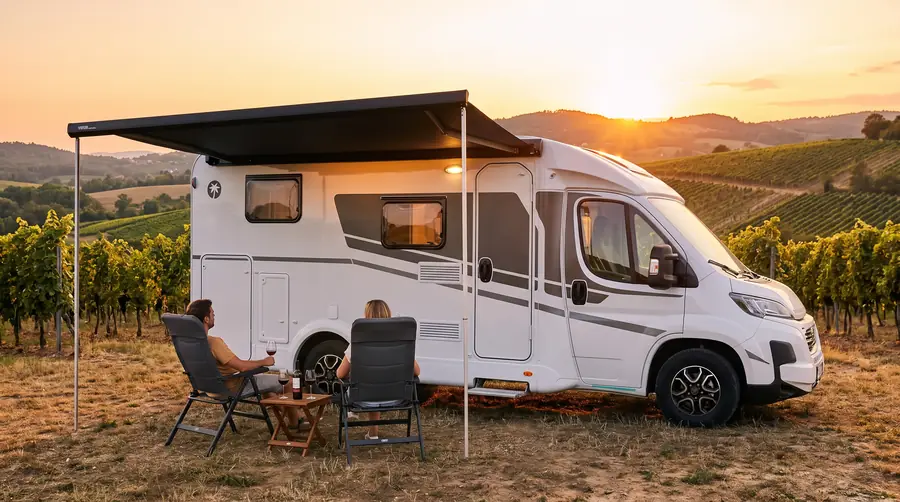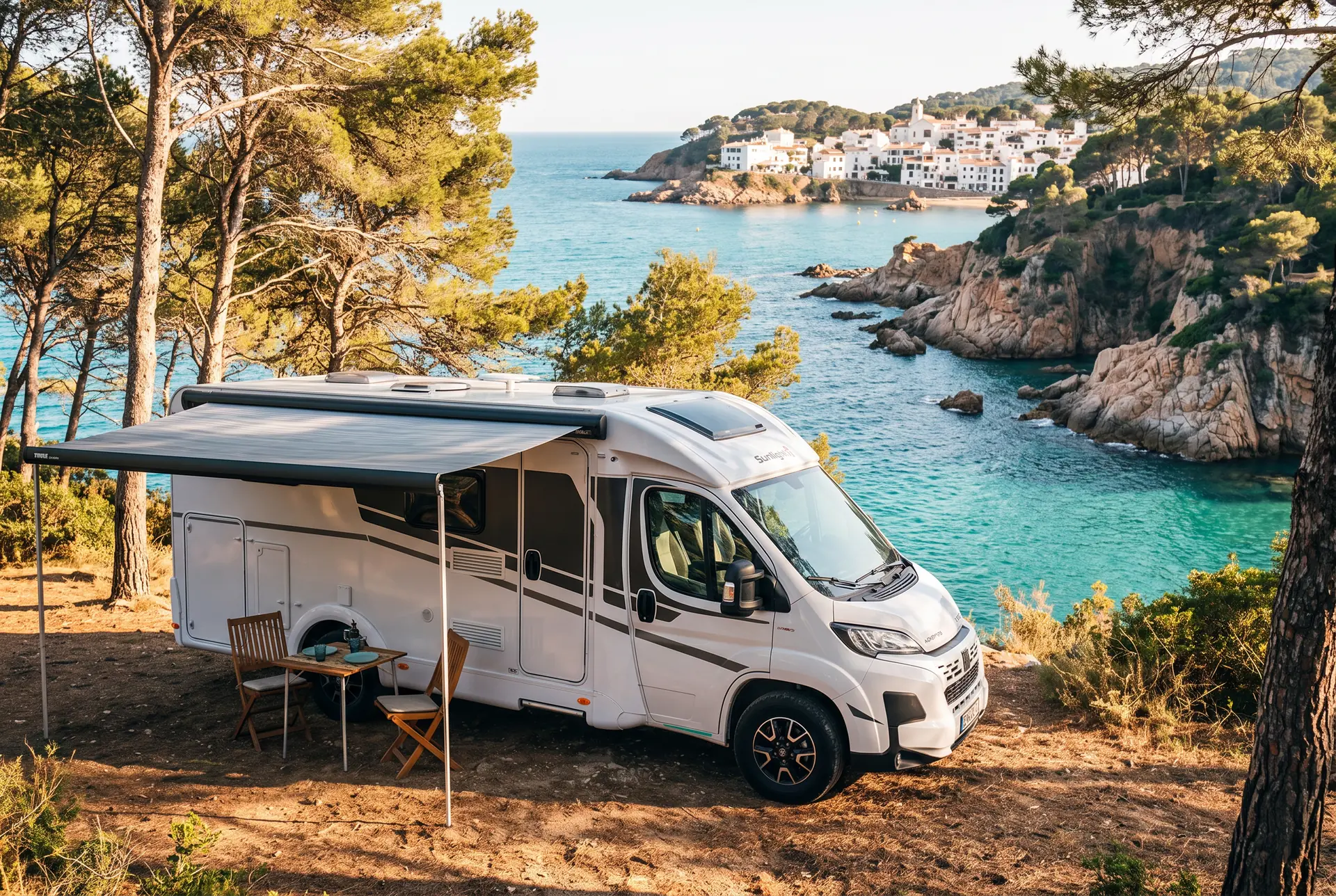
The Costa Brava is an hour from our base in Les Franqueses del Vallès, and you get there without driving through Barcelona. It is an ideal first motorhome trip: short stages, plenty to see and an easy mix of sea, medieval villages and good food.
This itinerary runs south to north, from Tossa de Mar to Cap de Creus, over a five-day rental, that is, five nights: you collect the motorhome on the afternoon of day 1, have four full days and return it on the morning of day 6. In mid season the minimum rental is 4 days (3 in low season; 7 in July, August, Christmas and Easter); with 3 or 4 days, stick to the Baix Empordà: Tossa, Calella de Palafrugell, Begur and Pals. Many coastal roads are narrow and winding; a 6.66 m motorhome handles them fine, as long as you take your time.
Route plan
Route map
Tap a day or a stop to see it on the map, or press "Follow the route" to travel it stage by stage.
Approximate line between stops, not a navigation itinerary. Check road conditions and restrictions for large vehicles before you set off.
What you will see
Day-by-day itinerary
Day 1 · Pick-up and arrival in Tossa de Mar
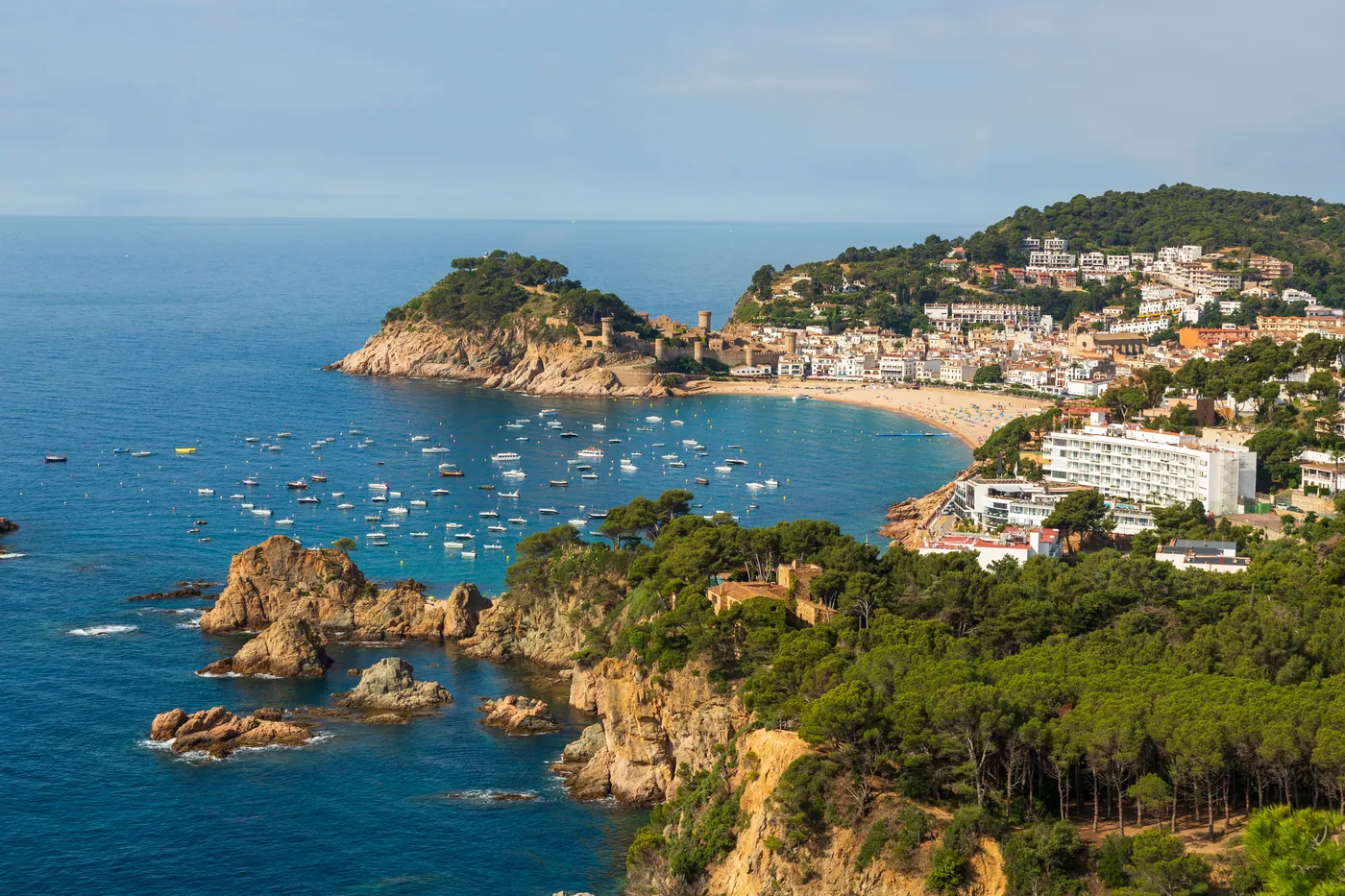
Collect the motorhome in the afternoon, between 16:00 and 19:00, and the C-35 takes you to the coast in just over an hour. Settle in at a campsite around Tossa de Mar for the first night. If there is still daylight, walk up to the Vila Vella, the walled old town above the beach, and watch the sunset from the ramparts. If not, save it for first thing the next morning, before heading north.
Day 2 · Sant Feliu de Guíxols, Calella de Palafrugell and Llafranc
The GI-682 from Tossa to Sant Feliu de Guíxols is one of the most scenic roads on the coast, with bend after bend above the cliffs: drive it in the morning, slowly and before the summer rush. In Sant Feliu, stroll along the seafront and visit the monastery complex. In the afternoon carry on to Calella de Palafrugell, with its whitewashed fishermen's houses and boats pulled up on the sand. A short, easy stretch of the coastal path links it to Llafranc, from where you can climb to the Sant Sebastià lighthouse.
Day 3 · Begur, Pals and Peratallada
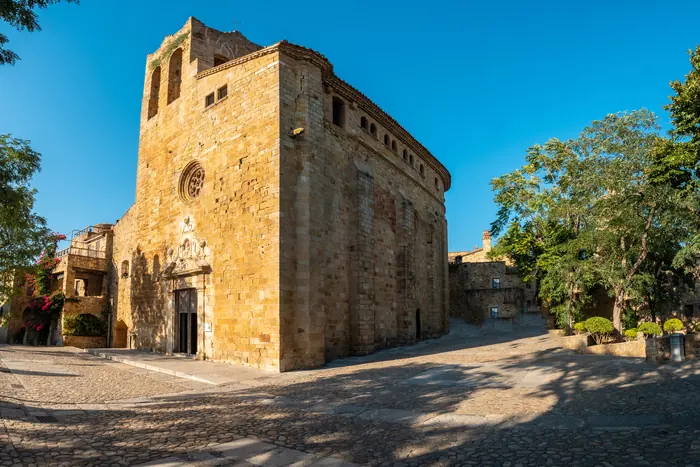
In the morning, head to Begur: the castle looks out over much of the Empordà, and coves such as Sa Tuna and Aiguablava lie below. Access roads are narrow and steep, so park higher up and walk down. The afternoon is for the interior. Pals has a beautifully preserved medieval core, crowned by the Torre de les Hores, with rice fields below; Peratallada, a few kilometres away, has a moat cut into the rock and cobbled lanes. In both, use the car parks outside the old town: the historic centres are not built for large vehicles.
Day 4 · Empúries and L'Escala
Empúries holds the remains of a Greek and a Roman town right by the sea, one of the most important archaeological sites in the Iberian Peninsula. After your visit, a seafront walk leads to L'Escala, famous for its anchovies. Nearby, boats leave L'Estartit for the Illes Medes, a marine reserve much loved by snorkellers and divers.
Day 5 · Cadaqués and Cap de Creus
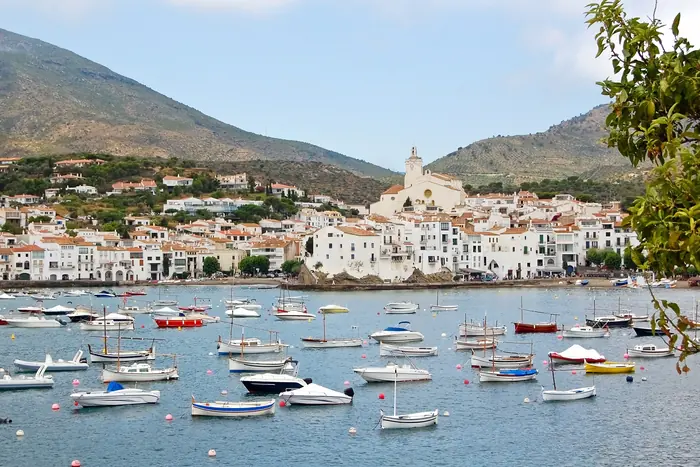
Cross the Alt Empordà towards Roses and take the mountain road up and over to Cadaqués. The centre is tight and barely takes large vehicles: leave the motorhome in a car park at the edge of town and walk in. In Portlligat you will find the Salvador Dalí House-Museum, which can only be visited with a booking. Cap de Creus Natural Park, with its lighthouse at the easternmost point of the peninsula, ends the route; in summer, private vehicle access may be restricted. Spend the last night around Roses or Figueres: the AP-7 gets you to Granollers in roughly 1 h 15, so you can return the motorhome the next morning, between 9:00 and 12:00, without rushing.
Where to sleep
The Costa Brava has plenty of campsites, several with large pitches for motorhomes, and some authorised motorhome areas near the villages. In July and August, book ahead, especially near the beach; in spring and autumn you have far more flexibility. Apps such as Park4Night or Campercontact help you find areas and read recent reviews. For more options and rules, see our guide to where to sleep in a motorhome.
Remember the rule: you may park wherever any vehicle may park, as long as you are not camping (no awning, chairs or levelling ramps, and no emptying of water). Wild camping is not permitted in Catalonia, and many coastal towns ban overnight motorhome stays in specific areas, particularly in summer. Always follow the signs.
Where to sleep with a motorhome in Catalonia
Practical tips
- Start early in July and August: car parks near the coves fill up quickly, and some have height barriers or do not admit motorhomes.
- The V66 is 2.74 m high and 2.14 m wide. Watch for height limits and keep out of the old centres of Tossa, Begur, Pals and Cadaqués.
- With 116 L of fresh water and a 92 L grey tank, you have several days of moderate use. Fill and empty at campsites or service areas, never in the street.
- Pack water shoes and a snorkel: many coves are rocky and the water is very clear.
- Getting back from Cadaqués to Granollers takes about 2 hours via Figueres and the AP-7. Segimon Rental includes 300 km/day on 3 to 6-day rentals, more than enough for this route.
Frequently asked questions
How many days do you need for the Costa Brava by motorhome?
The highlights of the Baix Empordà (Tossa, Calella de Palafrugell, Begur and Pals) fit into 2 full days, within a minimum rental of 3 days in low season or 4 in mid season (May, June, September and October). With 5 days you can reach Empúries, Cadaqués and Cap de Creus without long hours at the wheel. In July and August the minimum is 7 days: plenty of time to do the whole route at a relaxed pace.
Where can you sleep in a motorhome on the Costa Brava?
Campsites and authorised motorhome areas are the best option. Parking is allowed wherever it is allowed for any vehicle if you are not camping, but many towns restrict overnight stays in summer and wild camping is not permitted in Catalonia.
Can you drive a motorhome into Cadaqués?
The mountain road gets you there without trouble, but the centre is very narrow. The practical option is to leave the motorhome in a car park at the edge of town and walk.
When is the best time for this route?
From May to October. June and September combine good weather with fewer people; in July and August you need to book campsites and start early.