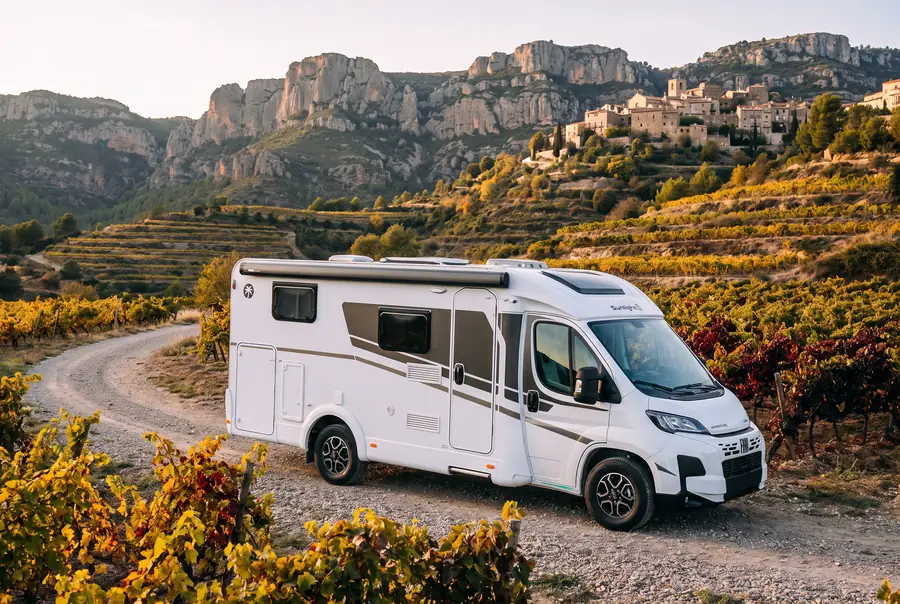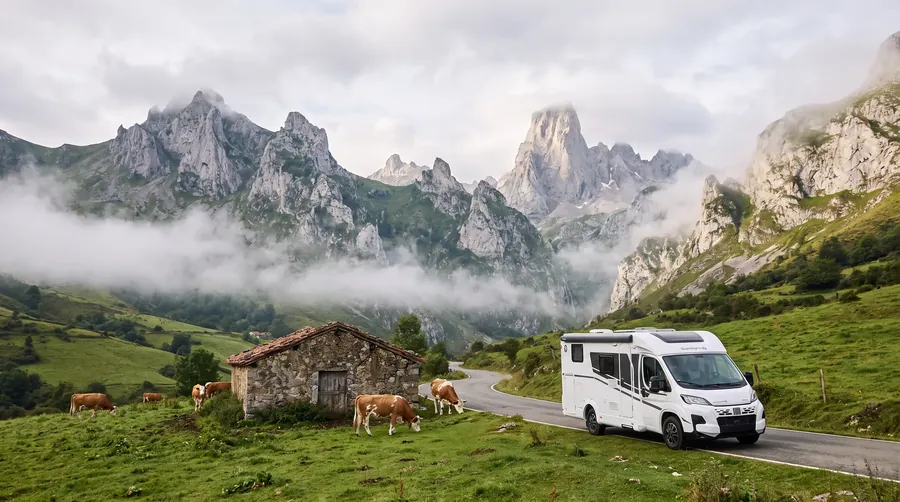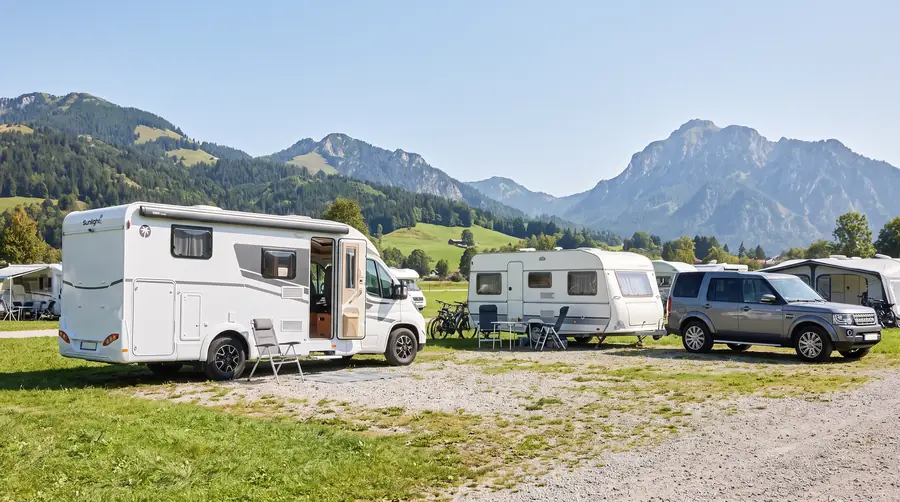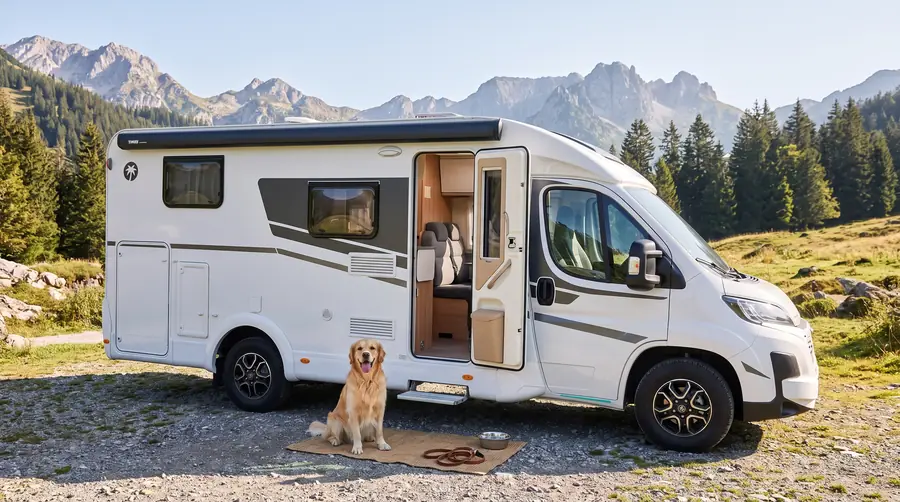
Galicia is the classic long trip from Catalonia. This route enters through the Ribeira Sacra and the Sil canyon, reaches Santiago de Compostela, looks out over the Atlantic on the Costa da Morte, with Fisterra (Finisterre), Muxía and Cabo Vilán, then heads down the Rías Baixas: Albariño in Cambados, seafood in O Grove, stone granaries in Combarro, the Cíes Islands and Baiona. The way back takes in Ourense and its hot springs, the Roman gold mines of Las Médulas, León and Burgos.
It belongs to our Adventure category: a thirteen-day rental, thirteen nights, collecting on the afternoon of day 1 and returning on the morning of day 14. It covers about 2,900 km and they add nothing to the bill: with Segimon Rental, rentals of 7 days or more come with unlimited mileage. To be honest, Galicia is far away, with two long driving days on the way out and two more on the way back. The best season is May to October, and autumn is lovely; thirteen days meets the minimum in any season.
Route plan
Route map
Tap a day or a stop to see it on the map, or press "Follow the route" to travel it stage by stage.
Approximate line between stops, not a navigation itinerary. Check road conditions and restrictions for large vehicles before you set off.
Day-by-day itinerary
Day 1 · Pick-up and a short leg to Lleida
You collect the motorhome between 16:00 and 19:00 in Les Franqueses del Vallès and, after the handover, head west on the Eix Transversal and the A-2, or the AP-7 and AP-2. In about two hours (170 km) you reach the Lleida area. You get used to the V66 and gain ground for tomorrow. Spend the night at a campsite or authorised area.
Day 2 · First long day, to Burgos
A driving day: about 440 km and four and a half hours via Zaragoza, the AP-68 and Logroño, a good lunch stop. Break every two hours. You reach Burgos mid-afternoon, in time to stroll along the Espolón and see the Gothic cathedral, a World Heritage Site, lit up at nightfall.
Day 3 · Second long day, to the Ribeira Sacra
Another stage of about 410 km and nearly five hours at the wheel: the A-231 to León, the A-6 to Ponferrada and the N-120 along the Sil valley to Monforte de Lemos. León and Ponferrada are visited on the way back, so today it is just rest stops. Monforte, with its castle keep and the large Colegio de Nuestra Señora de la Antigua, is the gateway to the Ribeira Sacra.
Day 4 · Sil canyon, Ourense and Santiago
A morning in the Ribeira Sacra: Mencía vines on impossibly steep terraces above the Sil canyon. In season there are catamaran trips on the river; check times. The viewpoints, such as the Balcóns de Madrid at Parada de Sil, and the monastery of Santo Estevo de Ribas de Sil, now a Parador, are reached on narrow, winding roads: take it slowly. Then via Ourense on the dual carriageway to Santiago, about 200 km for the day.
Day 5 · Santiago de Compostela
Leave the motorhome at a campsite or area on the outskirts and take the bus in. Praza do Obradoiro, the cathedral (the Pórtico da Gloria is visited with a ticket and limited numbers), Rúa do Franco and Rúa Nova. In the morning, the Mercado de Abastos food market; in the afternoon, the view of the cathedral from the Alameda park. Pulpo á feira, empanada pie and almond tarta de Santiago.
Day 6 · Costa da Morte: Cabo Vilán, Muxía and Fisterra
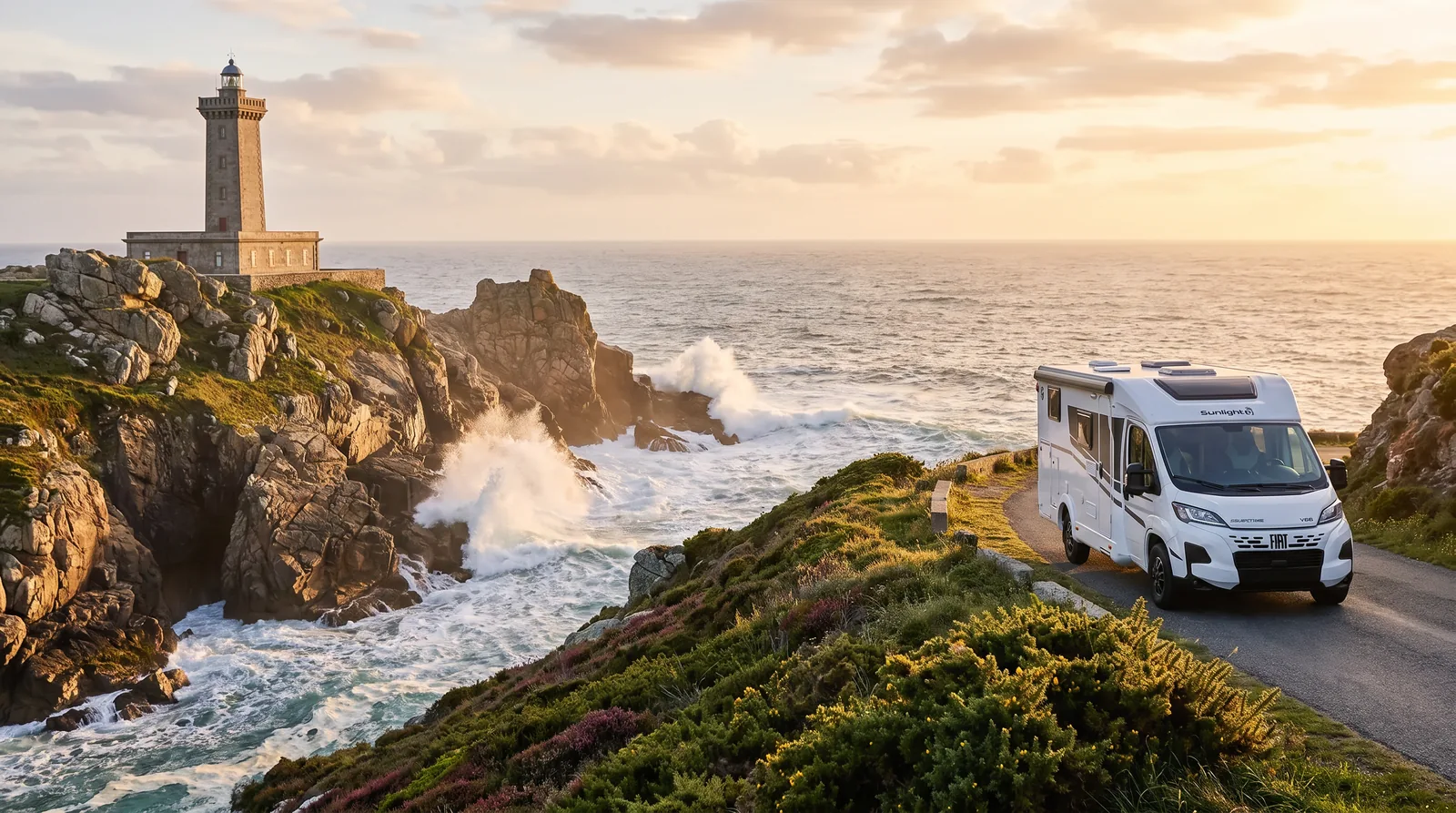
About 150 km to the Atlantic. Camariñas, known for its bobbin lace, and the Cabo Vilán lighthouse above wave-battered rocks. Muxía, with the Virxe da Barca sanctuary beside its legendary stones. In the afternoon, Fisterra (Finisterre): go up to the cape for sunset by the lighthouse and the Camino's kilometre 0 marker. The cape road is narrow with little parking; if it is full, walk up.
Day 7 · Ézaro, Carnota, Muros and Cambados
South along the coast: the Ézaro waterfall, where the river Xallas falls almost straight into the sea (its flow depends on the hydroelectric plant), Monte Pindo and Carnota, with one of Galicia's longest granaries and a beach several kilometres long. Muros is an arcaded fishing town. In the afternoon, about 90 km to Cambados, capital of Albariño: the Fefiñáns manor and wineries. About 160 km in total.
Day 8 · O Grove, A Toxa, Combarro and Pontevedra
O Grove lives on seafood; its Festa do Marisco seafood festival is usually held in October. Cross the bridge to A Toxa island, with its chapel covered in scallop shells, and pass the long beach of A Lanzada. Via Sanxenxo you reach Combarro: granaries lined up over the sea and stone crosses between old houses; park at the entrance. In the evening, Pontevedra's pedestrian old town and the Peregrina chapel.
Day 9 · Cíes Islands and Baiona
The Cíes Islands are part of the Atlantic Islands National Park. In season you need prior authorisation from the Galician government (Xunta) as well as a boat ticket, and places are limited: check and book ahead. Boats leave from Vigo, Cangas and, in season, Baiona, about 55 km from Pontevedra. Rodas beach, the lighthouse trail and cold, clear water. If there are no places, enjoy Baiona: Monterreal fortress and the replica of the caravel Pinta.
Day 10 · A Guarda, Santa Trega and Ourense
Head down to A Guarda, a lobster port, and up Monte Santa Trega: a Celtic hill fort with views over the mouth of the Miño and Portugal. The road up is narrow and winding; if in doubt, leave the motorhome below and walk. Then via Tui and the A-52 to Ourense, about 160 km for the day. In the afternoon, As Burgas, hot water springing up in the city centre, and the thermal pools along the Miño, some public and some paid.
Day 11 · Las Médulas and Ponferrada
About 170 km on the N-120 up the Sil valley, past the Godello vineyards of Valdeorras. Las Médulas, a World Heritage Site, was the largest open-cast gold mine in the Roman Empire: reddish peaks among chestnut trees, created by collapsing mountains with water. Park in the village and walk; the Orellán viewpoint has the best view. In the afternoon, Ponferrada and its Templar castle.
Day 12 · León and Burgos
About 290 km. By mid-morning you are in León: the cathedral and its stained glass, San Isidoro with its Royal Pantheon, and tapas in the Barrio Húmedo. Park outside the centre. In the afternoon, the A-231 to Burgos, about two hours.
Day 13 · Burgos, Zaragoza and back to Lleida
The longest stage of the return: about 450 km and four and a half to five hours at the wheel, via Logroño and Zaragoza. If you want to go inside Burgos cathedral, do it first thing; otherwise, set off early and have lunch in Zaragoza. Stop every two hours. You sleep near Lleida and tomorrow it is about two hours to Granollers to return the motorhome between 9:00 and 12:00.
Where to sleep
Santiago, the Costa da Morte, the Rías Baixas, Ourense, Ponferrada, León and Burgos all have campsites and authorised motorhome areas. In July and August the Rías Baixas coast fills up: book ahead in O Grove, Sanxenxo and Baiona. The Costa da Morte has fewer services, so do not run your fresh water or grey tank to the limit. Park4Night or Campercontact help; for the rules, see our guide to where to sleep in a motorhome.
You may park wherever any vehicle may park, as long as you are not camping: no awning, chairs or levelling chocks, and no emptying of waste water. Many coastal councils regulate motorhome parking near beaches and harbours; follow the signs. On the Cíes Islands you can only stay overnight at the island campsite, and never with a vehicle.
Where to sleep with a motorhome in Catalonia
Practical tips
- Atlantic rain: Galicia is green for a reason. Even in summer it can rain for several days; pack a waterproof and save city or winery visits for the grey days.
- Fishing villages: Combarro, Muxía, Muros and A Guarda have narrow, steep streets, and at 2.74 m the V66 will not fit underground car parks. Park at the edge and walk in; more tips in our guide to driving a motorhome.
- Tides: many beaches and coves in the rías change completely with the tide. Check the tide table before heading down and never park where the water could reach.
- Seafood: the municipal food markets in Santiago, Pontevedra and Cambados are the best places to buy; fish auctions usually sell only to the trade. Octopus, razor clams, clams and goose barnacles, with Albariño or Ribeiro.
- Cíes Islands: in season you need prior authorisation from the Xunta, a boat ticket and one of a limited number of places. Dates and the system change, so check the official website weeks ahead.
- Mileage and rest: the trip is about 2,900 km, but from 7 rental days mileage is unlimited. What tires you is the driving: on the four long days, start early, stop every two hours and, if there are two of you, take turns (an extra driver is free from 7 days).
Frequently asked questions
How many days do you need to drive to Galicia by motorhome from Barcelona?
At least 12 or 13 nights, as here: Galicia is over 1,000 km away and getting there and back takes about four days. From 7 days mileage is unlimited. If you have less time, our Asturias and Picos de Europa route is closer.
How do you visit the Cíes Islands?
By boat from Vigo, Cangas or, in season, Baiona. In the busiest months you need prior authorisation from the Xunta as well as a ticket, and places are limited. Check dates and conditions on the official website before you go.
Where can you park a motorhome in Santiago de Compostela?
The practical option is to sleep at a campsite or authorised area on the outskirts and go in by bus or on foot. The historic centre is pedestrian and the surrounding streets are narrow.
When is the best time to tour Galicia by motorhome?
May to October. July and August have the best weather and the biggest crowds; September and October bring the grape harvest, mushrooms and seafood with fewer people. In winter it rains a lot and some campsites close.